







🧭 Introduction
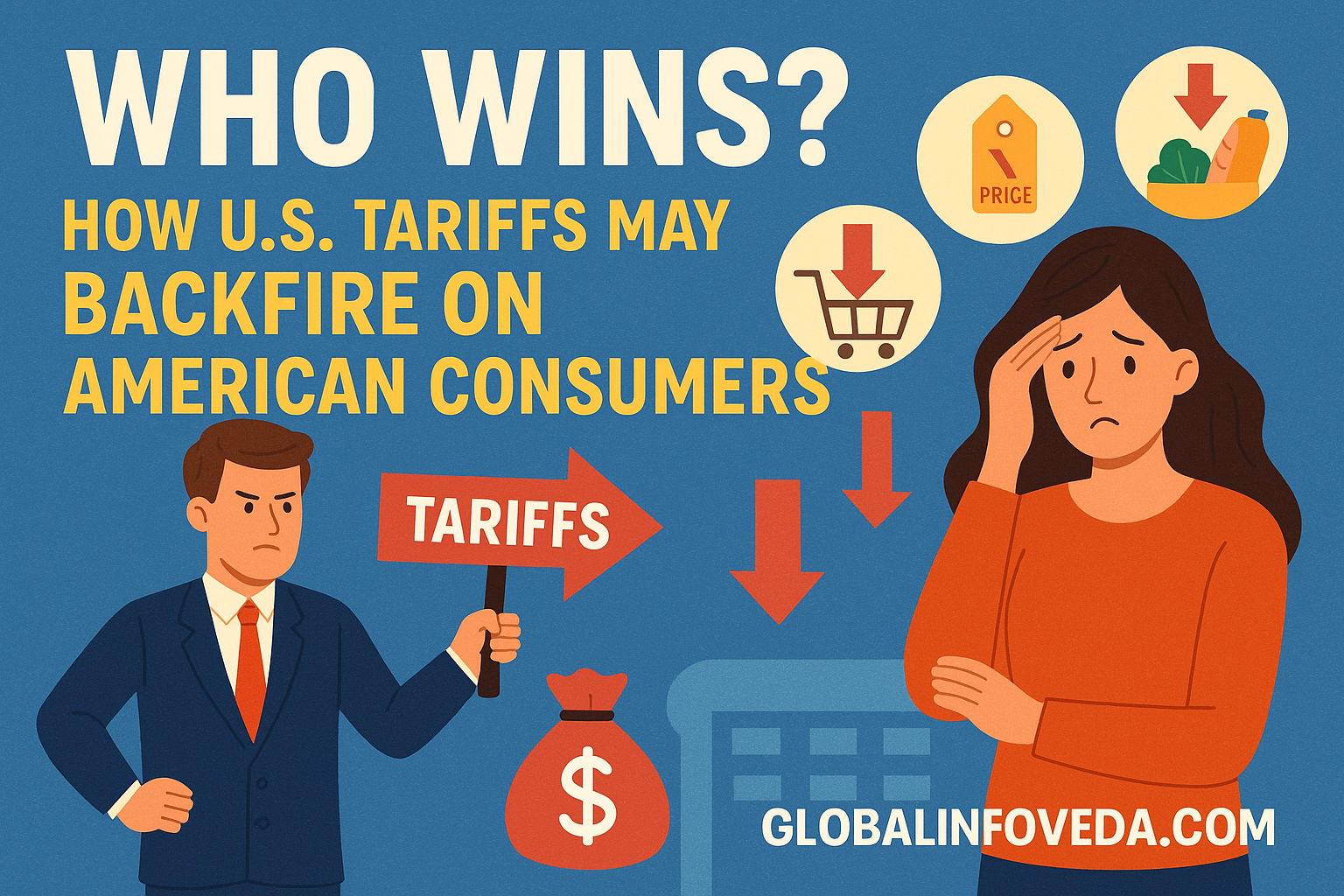
That scene unfolded recently, with the new U.S. tariffs for 2025 hitting with more USA Consumers: protect American jobs, reshore manufacturing, level the playing field etc. But for those who aren’t charging big business trips on company cards, the effect is more immediate and direct: on costs of living — from the weekly grocery cart, to school supplies, to home improvement parts, to the sneakers kids outgrow every quarter. Tariffs aren’t paid by ghost foreigners — they become a price wedge their supply chains, leading to higher shelf prices, fewer choices and subtle quality reductions by the consumer for the consumer. In reality, many categories experience a “tax‑like” impact when these pass through as margins are finite (and retailers must defend the $9.99 and $19.99 retail pegs) and smaller packs (or cheaper inputs) are forced into the model. This explainer breaks down how import tariffs ripple across product design, logistics, wages and monetary policy — and why, without careful carve‑outs and standards diplomacy, American consumers can end up being the inadvertent payers of trade brinkmanship.
Meta description: Why U.S. tariffs often raise consumer prices and narrow choice—and how brands, retailers, and households can respond in 2025.
🛒 How tariffs flow into a household’s basket
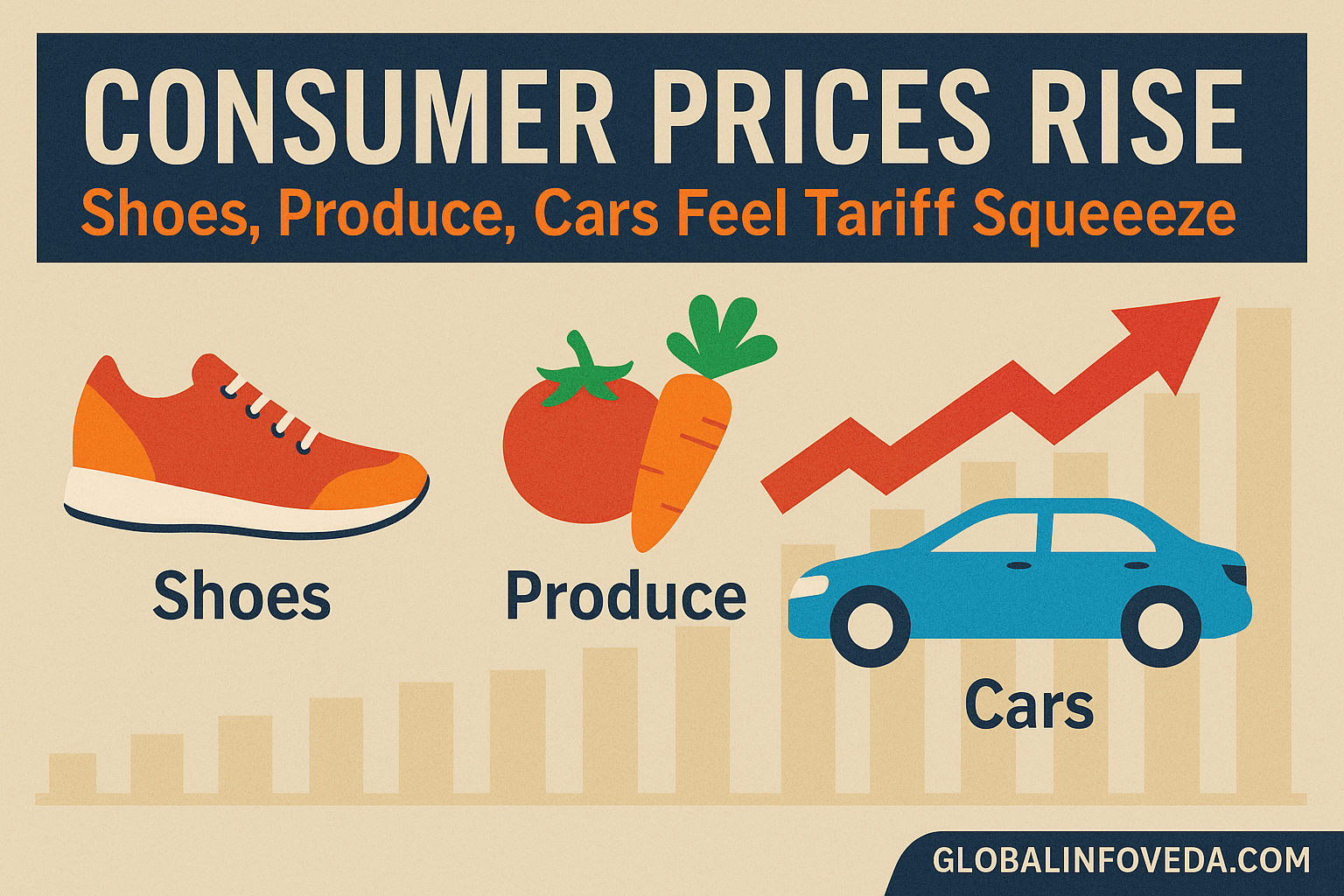
The mechanics are simple but that doesn’t mean you should overlook them. The imposition of a new duty immediately raises the landed cost of imported components or final products. On a competitive category, if retail pegs are sticky, brands can’t push prices above psychological thresholds without losing volume. They do so by pulling back on specifications, shrinking package counts, substituting materials or deleting accessories — modest moves that preserve the sticker we know, even as real value falls. In categories which are inelastic demand (basic appliances, DIY parts, kidswear) the pass‑through is quicker because shoppers need to buy. And when retailers do have a peg, they frequently reduce the promotion ladder — fewer “buy one get one” windows — to limited runs to test appetite. At the same time, distributors extend credit terms to take out slowness, manufacturers increase their DSO, and banks increase the value of trade finance hooking the bar slightly higher for new entrants. In a quarter, customers are hit with higher ticket sizes or they spend the same for less utility.
🧩 The anatomy of a price tag (and why it’s hard to absorb duties)
- 🧾 Fixed costs don’t vanish: Warehousing, last‑mile, and in‑store operations scale with volume but don’t disappear when margins shrink; there’s limited room to “eat” tariffs.
- 🧱 Retail peg gravity: The magic of $9.99 or $19.99 constrains upward moves; to defend pegs, brands shrink packs, lighten GSM in textiles, or drop secondary features.
- ⚙️ Spec chain reactions: A 10–25% duty on a component forces a chain of substitutions—different alloys, coatings, or trims—risking first‑pass yield and higher return rates.
- 📦 Carton science constraints: Freight costs are tied to volumetric weight; moving to bulkier, cheaper packaging can backfire by raising shipping cost per unit.
- 🧰 Compliance overhead: New origin proofs, labeling, and testing raise per‑SKU admin cost, especially for small importers; costs feed into shelf prices.
- 🧮 Financing friction: As uncertainty grows, insurers price credit risk higher; invoice discounting limits tighten; that financing cost embeds in consumer prices.
🧠 Who actually pays? The incidence reality
In theory, foreign producers could drop their prices to retain U.S. share, eating the duties in their margins. In reality, as a matter of bargaining power and elasticity, supply chains bear the load. If a product has a lot of substitutes, or is re‑sourceable in a relatively short time, an exporter may be prepared to give way. But in categories with proprietary tooling, expenditures to comply, whole numbers of design‑in positions (think auto components, specialty cookware or certain of the electronics vertical), suppliers have tailwinds to pass costs forward. Retailers balance brand portfolios to maintain category margins, not welfare for any one SKU. The result is partial pass‑through that feels full to the shopper — smaller packs, more “club only” bundles, or seasonal ranges that skip accessories. Multiply those micro decisions over 6–12 months, and you have a higher cost of living, especially for families with kids, renters making purchases of appliances, and seniors who need replacement goods for basics at fixed incomes.
🗺️ Winners and losers inside the U.S. market
- 🧰 Import‑substituting manufacturers gain pricing power if they can scale quickly without quality dips; they still face higher input costs via global parts.
- 🧺 Retailers with strong private‑label programs can redesign specs faster, defending pegs while keeping audiences loyal.
- 🧑💻 E‑commerce aggregators benefit as consumers hunt deals online; but returns rise if specs degrade.
- 🛠️ Home improvement and auto parts aftermarket players see stable demand, yet procurement risk increases.
- 🧒 Households with kids and multi‑adult renters pay more, as high‑replacement categories (footwear, apparel basics, small kitchen gear) get repriced or hollowed.
- 🏦 Banks/NBFCs supplying trade finance gain spread in volatility—but pull lines fastest for small importers, reducing competition and choice.
🧮 🧵 Channels of pass‑through to the shopper
| 🔗 Channel | 🧭 How it shows up | 🛒 Shopper impact |
|---|---|---|
| Sticker hike | Direct price move above peg | Immediate higher outlay |
| Shrink spec | Fewer pieces, lighter materials | Same spend, less utility |
| Promo fade | Shorter or rarer discounts | Higher annual basket cost |
🥫 The grocery cart and the durable aisle
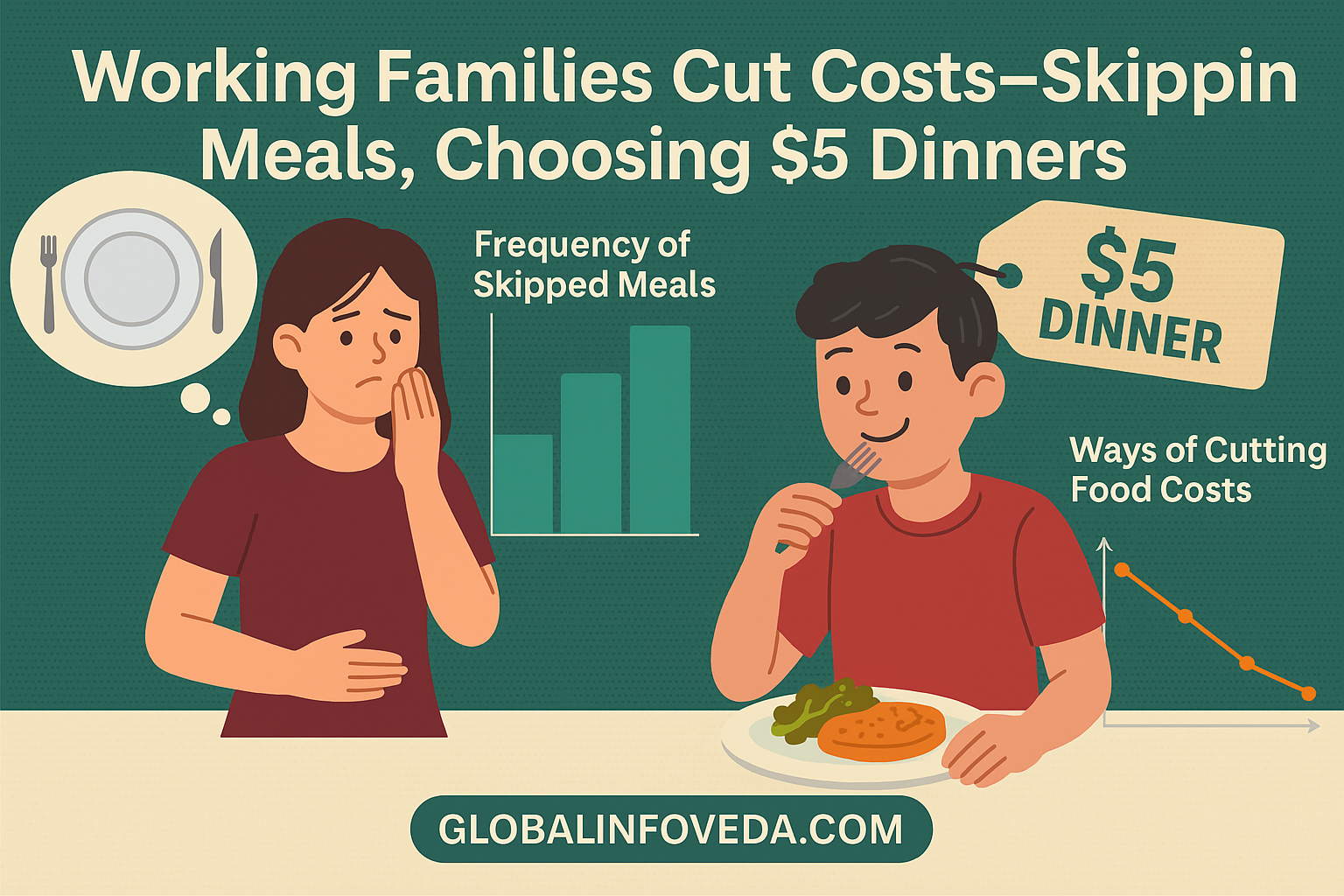
Groceries feel insulated because the U.S. imports a smaller share of staples than it does manufactured goods, but the insulation is only partial. Cans, closures, films and appliance parts are purchased worldwide. A tax on metals, polymers or parts for machines increases the cost of labels and containers that come into contact with items ranging from soup to soda. For durables, the effect is even more pronounced. A blender or microwave made in Mexico might still feature motors or control boards imported from Asia; pressing on those inputs raises the landed cost even if the end product is “near‑shored.” Retailers protect the $49 or $99 anchor price by dropping accessories or selecting low‑end chips that cut the life of the thing, and the consumer gets more repaired devices or has to replace more of them sooner. Poor families lose the most, minds locked in the sand because they buy at the peg, don’t stock up during promotional periods, and pay an invisible tax through diminished product life. In the long term that erodes household resilience when emergency savings are spent on unplanned replacements instead of on education or health.
Further reading on household cost impact: U.S. Families Could Pay $3,800 More a Year Due to Tariffs
🧰 A household playbook for 2025
- 🧮 Anchor the essentials: Prioritize spending on food, utilities, and must‑replace items; defer style refreshes where function hasn’t changed.
- 🔁 Rotate retailers: Compare warehouse clubs, discounters, and local chains; loyalty can be expensive when promo ladders shift.
- 🧰 Repair over replace: Choose brands with spare‑part access; small repairs stretch asset life against tariff‑induced quality downgrades.
- 📦 Pack math: Watch net quantities; a “deal” that holds the peg may hide fewer units or thinner material.
- 💳 Debt hygiene: Avoid high‑APR gadgets on BNPL; a duty shock can outlast the teaser period and trap cash flow.
- 🪙 Gold and cash buffers: For volatility, maintain modest buffers; price spikes are uneven and sudden.
🧵 The services echo—why a goods duty becomes a restaurant bill
Tariffs are applied to goods, but deliveries are a delivery of goods to restaurants, to salons, to repair shops, to those who work at restaurants or salons or repair shops: oils, aprons, cookware, detergents, HVAC parts. When demand increases, service providers either cut staff hours or increase the price of whatever is on the menu. Deliveries become more expensive when new vehicles and spares hold higher prices; landlords pass on higher fixture costs in the form of CAM charges; cleaning contracts come in higher as the price of chemicals and gear go up. This trickles down to consumers, too: the $12 lunch special is $12.99, your ‘free’ delivery costs $3, and annual service contracts creep 5–8%. If wages don’t keep up, discretionary services lose volume, and then so do those very local jobs that tariffs are supposed to protect. Over the year, the service economy follows the goods shock in reverse — a more generalized form of inflation that central banks will have to counter-pose with tighter policy, risking slower growth.
See the macro services lens: U.S. Services Sector Nears Standstill Amid Tariff Pressure
🧪 Three brand‑side case stories that reveal the math
One sneaker label, facing a 25 percent duty on uppers and components, refused to so much as increase the $69 peg. It moved to thinner midsoles and downgraded eyelets, slashing lifespan by a season. Returns grew with the brand replying in the form of stricter return policies, putting risk on the shopper. One cookware importer developed twin‑spec SKUs — one value line with regular bases, another premium line with scratch‑resistant coatings. The retailer kept $29 and $49 pegs, but the value line went wonky faster, leading to more warranty calls and downtime for customers. One Midwest furniture chain attempted to “near‑shore,” importing sub‑assemblies duty‑free, yet the fresh supply required different screws and glides; the number of assembly failures exploded. Both avoided the sudden headline price increase, but instead charged consumers with risk of quality, cost of time or cost of friction — prices that feel like backfire.
🧮 ⚖️ Tariffs vs taxes vs fees—what shoppers really feel
| 💸 Mechanism | 🧭 Visibility at checkout | 🧪 Real‑world feel |
|---|---|---|
| Tariff | Hidden inside sticker | Feels like inflation or lower quality |
| Sales tax | Itemized on bill | Transparent, predictable |
| Fees/surcharges | Often small add‑ons | Nickel‑and‑dimed frustration |
🧠 Labor markets, wages, and the illusion of insulation
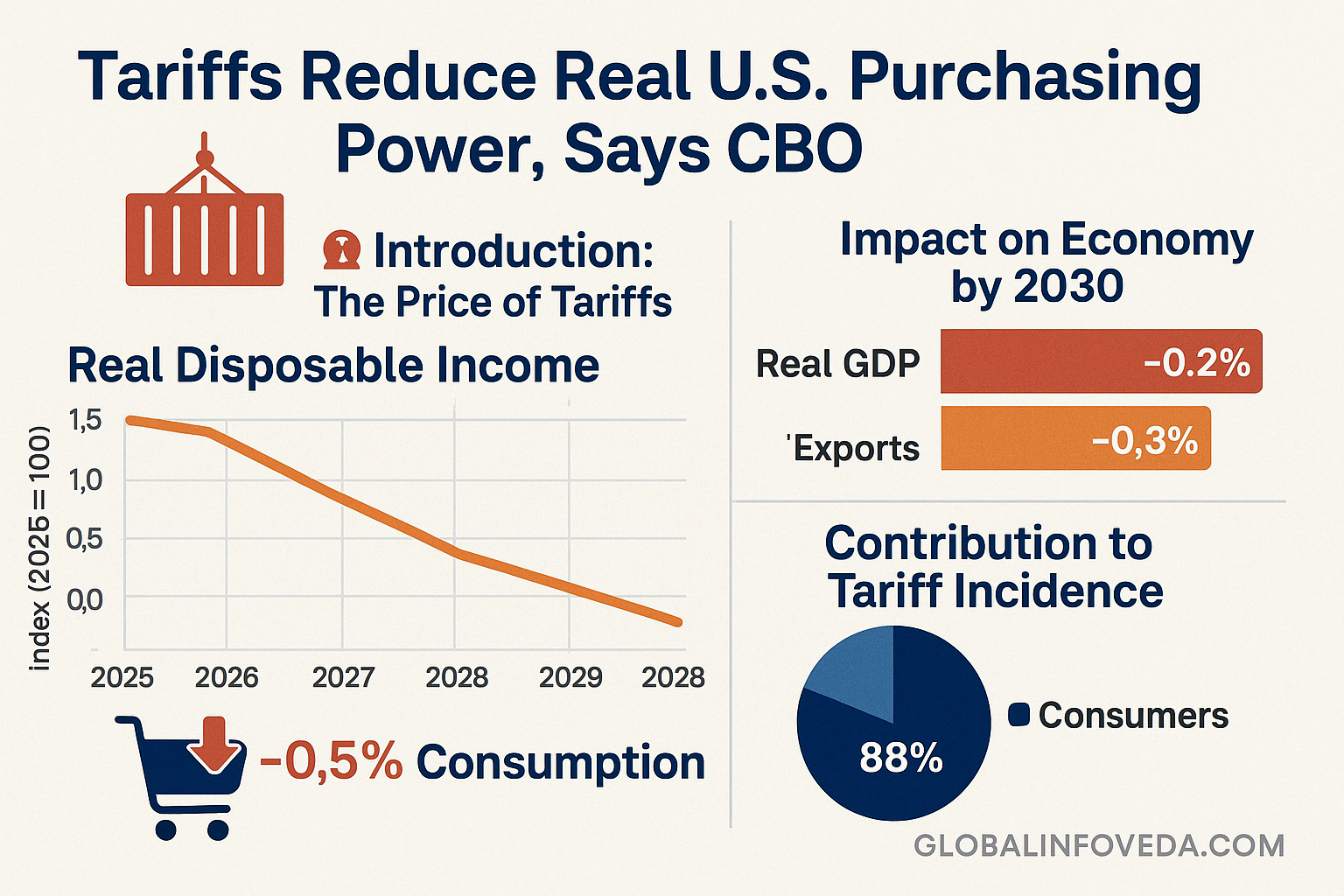
Manufacturing jobs are often held up as the intended beneficiaries of tariff politics. Some plants will hire and some shifts will be extended, particularly where domestic capacity is available and can be scaled up rapidly. Yet the modern U.S. factory is capital‑intensive, dependent on automation. In other words, each additional $1 of output requires less labor hours than in previous decades. Meantime, the sectors that absorb the consumer hit — retail, food services, logistics — are big employers. If households postpone purchases or buy less expensive goods and services, hours and tips are the first to shrink in these sectors. Over the course of a year, cumulative wage gains can lag the increase in expenses, lowering real income for many families. The larger macro lens matters: The Bureau of Labor Statistics wage data and the Federal Reserve consumption metrics all reveal that price spikes that aren’t accompanied by hikes in wages squeeze discretionary spending, dragging down growth from the edges.
Reference: Bureau of Labor Statistics (BLS) — wage, employment, and price indexes: https://www.bls.gov/
🧭 The central bank feedback loop
In addition, if tariffs were to lift headline inflation, central banks would face a brutal choice: Sacrifice growth to maintain purchasing power by tightening policy, or accept firmer prices. In 2025, with labor markets still tight in spots but household balance sheets thinner than in 2021–22, a too-hasty tightening could put the brakes on wage growth while input costs remain high — stagflation’s cousin. On the other hand, too loose a policy leaves open the possibility of drifting inflation expectations. Finding the best path hinges on clear communication and tailored tools: keep FX market liquidity flowing to damp imported price hikes, monitor credit spreads for signs of trade finance stress, and focus on data that distinguishes one‑off level shifts from durable momentum. For households, the lived experience is interest rate sensitivity, on mortgages, on autos, on afterpay plans; higher rates make the small quality of life improvements feel like luxuries you can never afford.
Reference: Federal Reserve — monetary policy and consumer finance data: https://www.federalreserve.gov/
🌐 Third‑country routing—why switching sources still costs consumers
- 🌏 Rules of origin complexity: Rerouting through an alternate country forces new documentation, audits, and sometimes re‑tooling, adding cost even when headline duties vanish.
- 🧭 Learning curves: New suppliers mean new defect patterns; higher return rates burden customer service and time.
- 🚢 Logistics entropy: Alternate ports and lanes have different congestion rhythms; dwell time spikes become common, pushing retailers to hold more buffer stock.
- 🧪 Spec drift: Different materials or tolerances change product feel; shoppers sense it even when price holds.
- 💳 Financing changes: New banks and insurers price risk cautiously; higher premium loads hit stickers silently.
🧰 Shopper strategies that actually work in 2025
- 🔍 Audit labels and net counts: Don’t compare stickers; compare quantities and material callouts across seasons.
- 🛠️ Buy repairable: For appliances and gadgets, prefer brands with official parts and local service; avoid sealed designs.
- ⏱️ Time big buys: Track retailer promo calendars; the ladder shortens, but predictable windows remain near quarter ends.
- 🧾 Membership math: Warehouse clubs shine when quantities are stable; discounters lead when brands create special club‑only SKUs with weaker specs—stay alert.
- 🧧 Holiday patience: Tariff shocks shift import calendars; buying after the first wave of returns can reveal better‑specced batches.
🧠 Policy design—five fixes that lower the consumer bill without surrendering leverage
- 🎯 Targeted carve‑outs: Negotiate HS‑line exemptions for high‑impact household categories; attach origin‑proof and traceability conditions to deter abuse.
- 🧰 Standards diplomacy: Pursue mutual recognition for testing/certification so compliant goods clear fast even under friction.
- 🚪 Port predictability: Extend gate hours and publish dwell‑time dashboards; predictability compresses buffer stock costs.
- 🧾 Transparent sunsets: Time‑box duties with sunset reviews; certainty lowers risk premia embedded in prices.
- 🧪 Quality grants: Support small importers/assemblers to hold specs—fund testing, not blanket subsidies.
🧠 Why low‑income households carry the heaviest load
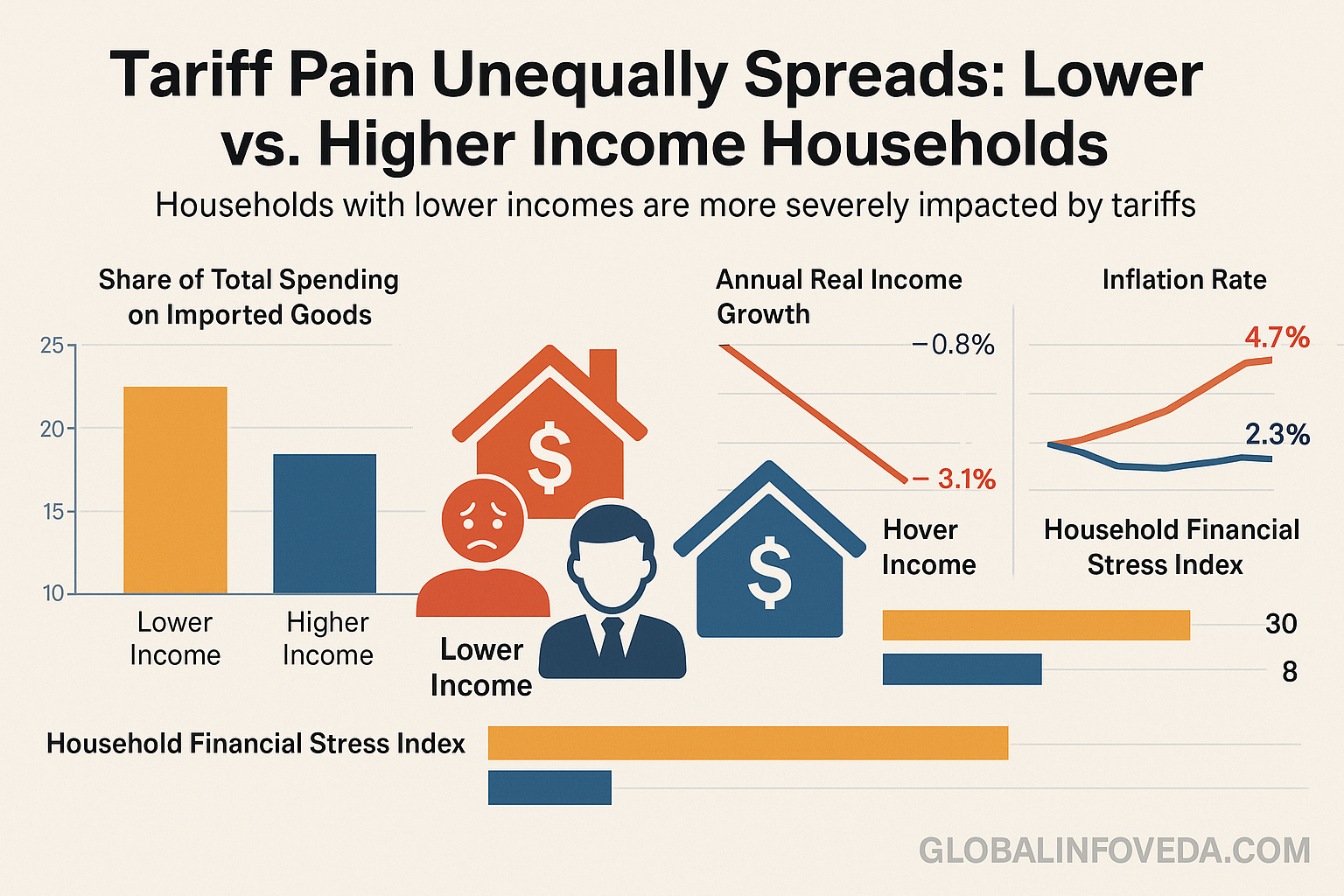
Price rises hurt everyone, but the distributional impact is skewed. Lower‑income families buy closer to pay day, are less able to stockpile during sales and live in areas where food deserts limit retailer choice. They’re also more vulnerable to appliance breakdowns and used car repairs — they keep older assets running. Tariff‑induced cost increases also came down hardest on those same categories, which is a regressive effect. And, in the meantime, higher interest rates to address tariff‑inflation suppress borrowing costs on subprime auto loans and credit card balances, making the squeeze even stiffer. The policy implication is clear: If duties are needed for strategic purpose, marry them to targeted supports — expanded EITC, appliance repair credits, focused SNAP flexibility — so we don’t place the brunt of the cost of deterrence on those who are least buffered.
🧭 What it means for India and other partners
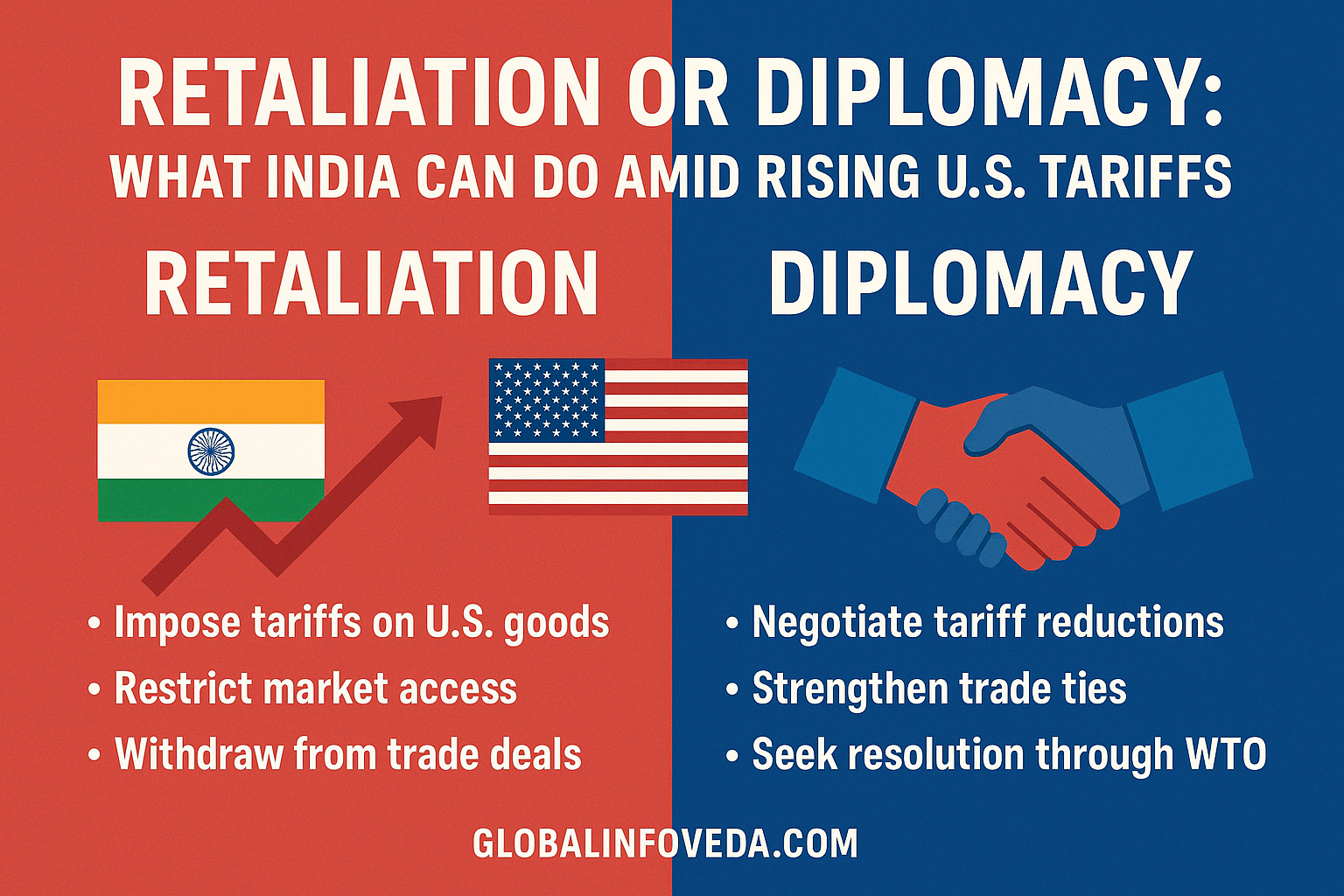
Tariff escalation, for India, is risk as well as opportunity. Exporters will face short‑term pain in tariff‑hit categories, but firms investing in traceability, AEO, and REACH/RoHS readiness can transition to EU, GCC, and Japan corridors, sustaining utilization and jobs. Through time, India could capture share in near‑shored U.S. supply chains by providing design-in capability and compliance affordably. For American consumers, it means choice can return — but not before a delay, and only if policy signals can be counted on. Transparent carve‑outs and expedited customs for compliant producers narrow the time lag and shrink the final bill at the store.
🧮 📦 Good‑Better‑Best: how retailers hold pegs without saying the word “tariff”
| 🏷️ Tier | 🧰 Spec move | 🧾 Shopper cue |
|---|---|---|
| Good | Lighter materials, fewer pieces | “New pack size,” “value edition” |
| Better | Same spec, lower promo frequency | Fewer coupons, shorter sales |
| Best | Feature boost at higher ASP | “Pro” or “Plus” version introduced |
🧠 Political optics and the backfire loop
It shouldn’t be surprising that a trade war blows back in attackers’ faces, picking on one or another American industry just makes domestic politics more complicated. When consumer prices rise while wage gains lag, voters experience it in daily rituals — grocery store, gas pump, school shopping. Even when tariffs do protect particular factories or regions, the benefits are visible to fewer people than the costs are. Media narratives focus on the visible price on a shelf, not the counterfactual, in plants that maybe didn’t close. It is that asymmetry that roils so much discontent, especially among independents in swing counties. Without clear communication and focused relief, tariff policy can undermine the very coalition it aims to mobilize. The political playbook, then, follows the consumer playbook: accuracy, clarity, and clocking.
❓ FAQs
- ❓ Do exporters ever fully absorb tariffs? Sometimes, but usually not in categories with specialized tooling or certifications. Partial pass‑through is the rule, which still feels full to shoppers via spec changes and fewer discounts.
- ❓ Is “buy American” always cheaper? Not necessarily. Domestic lines can be competitive when scale and automation exist; otherwise, inputs priced in global markets raise costs regardless of the final assembly location.
- ❓ Can near‑shoring fix everything? It helps resilience but doesn’t erase global input exposure. Motors, chips, and specialty chemicals still travel.
- ❓ Why do some prices rise months later? Retailers honor existing contracts and inventory; hikes appear after cycles roll, creating a lag that confuses attribution.
- ❓ What can households do that actually moves the needle? Repair more, buy parts‑supported brands, track net quantities, and budget for lifespan—these save more than chasing coupons alone.
🧠 Personal analysis—what the next 12 months likely look like
Expect a slow grind. The initial sticker shock is accompanied by a quality drift that discerning consumers can feel as more returns, more repairs and fewer freebies. Warehouse clubs and discounters take share but their own private labels face input pressures so the value edge narrows. If policy remains tight with no targeted carve‑outs, the Fed will continue to monitor inflation like a hawk and could tighten the spigots in stages — hiking the carrying cost of revolving household debt. The relief comes from standards diplomacy, smarter HS‑line exemptions, and a communication change that emphasizes predictability. By holiday season — if these show up, bearing dream-come-true tidings — there will be still be backfire, but it will be less of a hot burn.
📚 Sources
- Congressional Budget Office (CBO) — analysis on trade and household income effects: https://www.cbo.gov/
- Bureau of Labor Statistics (BLS) — CPI, wages, and sector employment data: https://www.bls.gov/
- Federal Reserve — consumer finance and monetary policy reports: https://www.federalreserve.gov/
- World Trade Organization (WTO) — trade monitoring and dispute settlement briefs: https://www.wto.org/
🌟 Final Insights
Tariffs are a legitimate tool of negotiation and national resilience, but they are blunt in retail life. The math of pass‑through means that in the absence of precision and reciprocity, U.S. consumers are stuck with much of the bill in the form of higher prices, thinner specs, and smaller promo value. The answer is not capitulation; it is more intelligent design: specific carve‑outs, standards that accelerate clearance, predictable sunsets, and buyer‑side transparency that confines opportunistic markup. For households, the winning moves are uninspiring — repairable stuff, pack comparisons, debt hygiene. The cheapest stimulus is credibility, and for policy-makers, clarity. Do those well, and the very tools that sting today can help sustain American competitiveness without taxing family life tomorrow.
👉 Explore more insights at GlobalInfoVeda.com