







🧭 Introduction
Inflation is the silent killer of purchasing power, the tugging upward of prices and the rewriting of family budgets without the courtesy of asking permission. You feel it at the grocery checkout, at the petrol pump, when your EMI or rent takes out a bigger chunk of your income. This guide lays out what inflation is, why it happens, how it is measured, and — most important — what you should do about it. Here you will find two handy 3‑column snap shots, as well as case studies, playbooks, monthly action plans and FAQs to help you protect savings, tame expenses and make smarter money choices.
Meta description: 2025 survival guide to inflation: What it is, why price rise, CPI vs core, RBI tools, real life budgets, hedges, and a monthly plan to protect purchasing power.
🧠 What inflation really means day to day
Inflation is a general increase in prices across a broad spectrum of goods and services over a sustained time period. When prices go up faster than people’s incomes, their purchasing power falls: the same rupee doesn’t buy as much milk, fuel or bus rides. Monthly bumps upward, albeit slight ones, add up, so that a 3–6% annual increase can reshape budgets over a matter of years. Inflation is, essentially, an “invisible tax” that affects the value of idle cash, it even goes on to define how much one pays in interest rates, EMIs and investment returns. Not all inflation is bad — steady, low rates of inflation can accelerate growth — but persistently high inflation nibbles away at planning and trust.
🧪 Why prices rise
- 🔥 Demand‑pull inflation: when demand outpaces supply (festive spikes, credit booms), sellers raise prices.
- 🛢️ Cost‑push inflation: when input costs (fuel, freight, wages) jump, businesses pass costs to consumers.
- 🔁 Built‑in inflation: when people expect prices to rise, they ask for higher wages and set higher markups.
- 🌾 Supply shocks: weather, geopolitics, or export bans squeeze supplies of food, energy, or key inputs.
- 🌍 Imported inflation: a weak currency makes imports pricier; global commodities ripple into local CPI.
📏 How inflation is measured
Statistics offices release indices such as CPI (Consumer Price Index ) and WPI (Wholesale Price Index). The CPI measures what households on over 400 different categories pay for a basket that includes things like food, housing, transport, education and health. Policymakers are also keeping their eyes trained on core inflation (CPI minus food & fuel) to get an understanding of the underlying trend in the prices of goods and services without the volatile food and fuel components. By targeting a band of inflation (the European average has been about 4% but ranged between 0% and 8%, with Europe wanting the band to achieveee)? central banks would then vary interest rates to guide inflation into the middle of their band.
🧾 Where you feel it first (household impact)
Inflation seldom permeates everything all at the same time; it comes in waves. And typically, households experience it first in food staples and fuel, followed by rent, education and health care. Subscriptions and services slowly inch upward in price. When increases in salaries fall behind those in prices, savings cushions are eroded and the use of credit rises. The answer is awareness, prioritization, and small habit changes that add up, and the recently released book Good Habits, Bad Habits does just that.
GST Reform 2025: What the Tax Changes Mean for Your Wallet
🧮 Snapshot — types and triggers (3 columns)
| Type | Primary driver | Typical triggers |
|---|---|---|
| Demand‑pull | Excess demand vs limited supply | Festival buying, credit booms, fiscal stimulus |
| Cost‑push | Higher input costs | Fuel spikes, freight, wage rises, tax hikes |
| Built‑in | Inflation expectations | Automatic indexation, markup habits, past shocks |
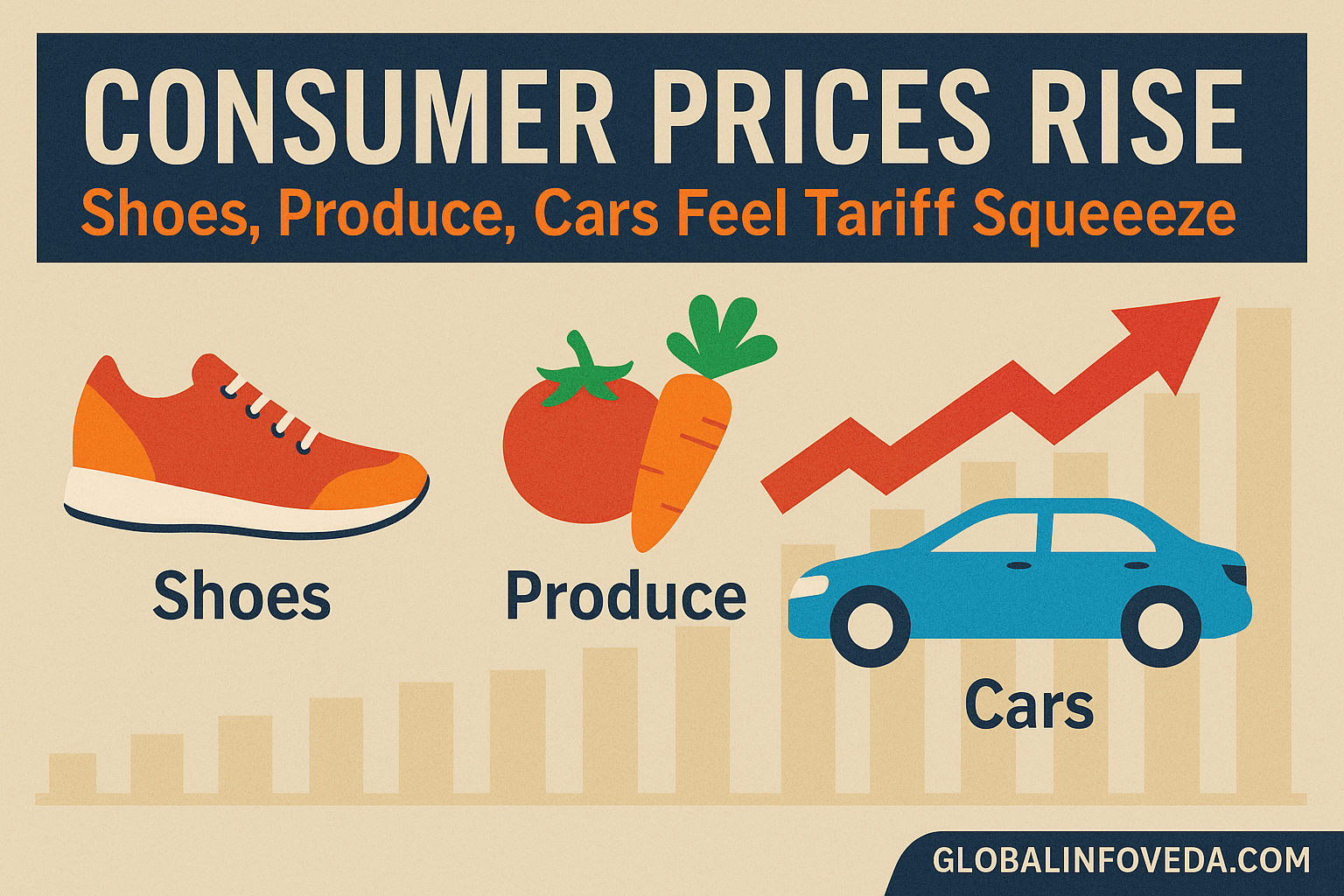
🍽️ Groceries and essentials
For families, the most visible sign is the basket at the kirana or supermarket. Food inflation bites when vegetables, pulses, edible oils, and dairy jump together. Change brands, run after bargains, cook seasonally to take charge. Maintain a price book for 15 staples; you’ll see cycles and stockpile during troughs. Buffing up pantry skills — bulk cooking, freezing and batch prepping — outsmarts the inflation tax without slashing nutrition.
⛽ Transport and energy
- ⛽ Fuel: higher petrol/diesel costs raise commute and delivery expenses; plan carpooling and route batching.
- 🔌 Electricity: adjust usage with LEDs, timers, and appliance schedules to smooth bills.
- 🚇 Public transport: passes and stored‑value cards blunt fare increases for regular routes.
- 🛵 Two‑wheeler strategy: maintain tyre pressure and service intervals—small efficiency gains add up.
🏠 Housing and rent
Rent tends to reprice annually. In tighter markets, landlords pass through inflation by raising rents and maintenance expenses. Work harder on negotiating longer lease terms at more modest escalations, or trade some space for savings on location. For home loans, interest‑rate cycles are relevant: when policy rates increase, floating EMIs elongate; prepayment or refinance during windows of opportunity keeps cash flow intact.
🧑🎓 Education and skills
Tuition, school fees, and ed‑tech subscriptions inch up yearly. Aim for durable skills that raise earning power faster than inflation. Free or low‑cost upskilling—coding, data, language, sales—pays for itself. Plan school fees as monthly sinking funds so hikes don’t shock the budget.
Best Free Online Courses with Certificates to Boost Your Career in 2025
🩺 Healthcare
Medical costs rise faster than many categories. Keep insurance active, use network hospitals, and focus on preventive habits—sleep, nutrition, and activity. Track generic alternatives for routine medicines and ask providers for clarity on tests and procedures.
🧑🍳 Eating out and subscriptions
- 🍔 Dining: menu prices and service charges creep up; rotate home‑cooked nights and utilise lunch combos.
- 📺 Streaming: prune overlapping services; share family plans where permitted.
- 📱 Apps: audit auto‑renewals quarterly; cancel low‑value subscriptions.
🏦 How central banks respond
Borrowing costs are impacted by the policy rate (repo) central bank set. When they submit that inflation is above target, they raise rates to cool demand; when it’s below target, they cut to stimulate activity. Transmission runs into home loans, auto loans and business credit. Monetary policy operates with lags, so households need to adjust well ahead of official relief: build and maintain buffers, smooth large consumption purchases, and do not go on an interest‑rate ride during tightening cycles.
Digital Rupee Crosses ₹300 Cr in Use: What’s Next for CBDC in India?
📊 Snapshot — assets and inflation behavior (3 columns)
| Asset | Typical inflation behavior | Role in a plan |
|---|---|---|
| Cash | Loses real value when rates < inflation | Emergency fund only |
| Debt funds/FDs | Rate‑sensitive; benefit as rates rise then lock in | Stability, income ladder |
| Equities | Long‑term growth; volatile short‑term | Wealth creation |
| Gold | Often a hedge in stress; no yield | Diversifier, crisis ballast |
| Real estate | Rents may track inflation; illiquid | Income + diversification |
| TIPS/Inflation‑linked | Indexed to inflation | Direct hedge where available |
🧰 Household playbook (monthly routine)
- 📒 Zero‑based budget: assign every rupee a job; rebuild monthly as prices change.
- 🧾 Receipt capture: log grocery, fuel, utilities; watch categories drifting up.
- 🛍️ Menu planning: plan meals from weekly produce prices; batch‑cook.
- 💳 Payment hygiene: automate bills; avoid late fees; hunt cashback.
- 💼 Income lifts: negotiate raises, freelance tasks, or micro‑skills to outpace inflation.
- 🪙 Emergency fund: keep 3–6 months in liquid instruments; top up during calm periods.
Top 5 Passive Income Ideas in 2025 You Can Start with ₹1000
🧮 Case study — salaried family
An urban family of three charts its expenses for three months. Food and transportation is 8–10% higher YoY, rent is 6% higher. They re-negotiate broadband, move one streaming app to a family plan, and adopt a price‑book for staples. The member’s husband converts to a hybrid based commute (partially metro + a car pool commute) and fuel is reduced 20%. They refinance a small personal loan at a lower fixed rate and begin prepaying the home loan principal quarterly. Result: The savings rate stays on an even keel even in the face of price pressure.
🧺 Case study — small grocer
A local store grapples with escalating wholesale costs and delivery fees. The owner prunes slow‑moving SKUs, haggles weekly with two distributors, and offers a weekly “essentials basket” at a set price so he can hold onto loyal customers. He throws in UPI QR codes for quicker checkout, and small digital promos to clear near‑expiry stock. Margins recover without losing footfall.
🧓 Case study — retiree on fixed income
A retired person has a pension and interest. She rolls over laddered deposits to get a higher return while maintaining liquidity for 6 months. Health insurance is still a priority; she switches to generic meds when she can. She also downsizes to an apartment that’s less expensive to maintain and closer to family and health care needs, freeing up cash.
Digital Gold vs Physical Gold: Where Should You Invest in 2025?
🧷 Protecting purchasing power (mindset and tactics)
Inflation is less frightening when you focus on what you can control (habits, buffers, skills) and what you can’t (global fuel prices). Anticipate waves: Some months will bite, others will relax. Practice little scripts for family decisions — “Do we require that now?”, “Is there a cheaper brand?”, “Can we batch errands?” —so choices feel automatic. An investment in energy (sleep, food, exercise)—good health can keep you away from expensive convenience buys.
🧱 Debt decisions in inflation cycles
- 🧮 Fixed vs floating: prefer fixed‑rate debt during rising‑rate cycles; revisit when policy pivots.
- 🔁 Prepay high‑cost loans: kill credit card carry and short personal loans first.
- 🧯 Refinance windows: when rates fall, move from floating to fixed if fees are reasonable.
- 🧰 Sinking funds: plan for big purchases; avoid EMIs triggered by sales hype.
🧭 Career and income
Inflation punishes static wages. List three marketable skills to acquire in the next 6–12 months. Seek assignments that tie you to revenue or cost savings; those roles negotiate better raises. Keep a simple brag document: outcomes, numbers, and testimonials you’ll use at review time.
🧑🍳 Food strategies that work
- 🥦 Seasonal menus: shop the cheapest fresh items weekly; build meals around them.
- 🫘 Protein swaps: rotate eggs, pulses, curd; use price alerts for bulk buys.
- 🧂 Pantry control: track spice, oil, and snacks; shrink waste.
- 🍱 Batch cook: Sunday prep saves fuel and time on busy days.
🔁 Subscriptions and small leaks
Tiny autopayments add up under inflation. Run a quarterly subscription audit with one rule: if you haven’t used it twice in 30 days, cancel or pause. Bundle where it makes sense; free trials are not free if they turn into forgotten charges.
Revenge Saving: The Popular Response to 2025’s Economic Fatigue
🧮 Taxes and policy changes you should watch
Taxes, subsidies and duties are adjusted by governments to cool prices or safeguard revenue. GST rate adjustments, fuel excise alterations and import/export policies send ripples into your basket. Track the official notifications, not rumors, and recalibrate the budgets from when policies move. For small businesses, keep a watch also on input tax credits and compliance timelines — both impact cash flows directly.
🛡️ Insurance and risk buffers
- 🩺 Health cover: keep adequate sum insured; hospital inflation is high.
- 🚗 Motor: pick higher deductibles if you can self‑insure minor repairs.
- 🏠 Home: cover structure and key contents; review values every 2–3 years.
- 🧑⚕️ Term life: protect dependents; premiums are cheaper when you’re younger.
🧲 Saving and investing through the cycle
Cash loses real value if interest < inflation. Build an emergency fund but invest the rest with intention: a mix of debt and equities that matches your horizon and risk. Add gold or similar diversifiers for crisis periods; don’t chase headlines. Rebalance yearly: sell some winners, add to laggards, keep risk steady.
🧰 Tools and habits that help
- 🧭 Price book: track 15 staples to know good vs bad deals.
- 📱 Budget app: tag transactions; set alerts on categories.
- 🧾 Receipt inbox: forward bills to a single email; reconcile weekly.
- 📅 Money day: a 30‑minute family review each Sunday.
- 🧘 Decision rules: 24‑hour wait for non‑essentials; buy once, buy better.
🧑🏫 Teaching kids about money
- 🪙 Pocket money + chores with clear goals.
- 🧮 Save‑spend‑give jars to build habits.
- 🛒 Grocery math: find unit prices, compare brands.
- 📚 Story time: explain needs vs wants with examples.
🧭 For freelancers and small businesses
Inflation alters customer habits and costs of inputs. Adjust pricing twice a year; implement product bundles rather than across‑the‑board price increases. Pay suppliers faster for small discounts; secure key inputs with contracts where possible. Maintain a three‑month cash reserve; don’t be dependent on one platform or client. Diversify the revenue streams because if the price crashes in one, then you collapse.
The Rise of Open Finance: From Banking to Full Financial Ecosystems
🧠 FAQs
- What’s the difference between CPI and core inflation? CPI measures a broad basket; core strips out volatile food and fuel to show underlying trends.
- Is some inflation good? Moderate, stable inflation can support investment and wages; extreme levels damage planning.
- Should I keep more cash during high inflation? Keep a bigger emergency fund if uncertain, but invest surplus to beat inflation over time.
- Do interest‑rate hikes always reduce inflation? They cool demand with lags; supply shocks may need other tools.
🧭 One‑month action plan
Week 1: build your price book and capture three months of bills. Week 2: subscription audit and meal plan. Week 3: refinance checks and insurance review. Week 4: rebalance investments and set next quarter’s skill goal. Repeat quarterly.
📚 Sources
- Reserve Bank of India (RBI) — Monetary Policy Framework, CPI analytics (DBIE)
- Ministry of Statistics and Programme Implementation (MOSPI) — Consumer Price Index (CPI): methodology & releases
- International Monetary Fund (IMF) — Inflation: primers, analysis, policy notes
- World Bank — Global inflation data (CPI), Commodity & energy dashboards
🧠 Final insights
Inflation sticks around but is manageable when you blend mind-sets, behaviors and design. Keep a close eye on the prices that do matter, increase earning power faster than you do costs, and automate boring money chores. Stay away from high‑cost debt, protect against shocks with the right type of insurance, and use a simple investing mix to grow ahead of inflation over time. You don’t decide whether to have global cycles, but you do decide how you respond to them week by week, and that response compounds into resilience.
👉 Explore more insights at GlobalInfoVeda.com