





🧭 Introduction
Parenting has always been about modeling values, establishing routines and setting boundaries with love. And the digital layer doesn’t transform that core job — it amplifies it. The devices and platforms we use are increasingly designed to compete for our attention, not the other way around, and tech companies are becoming some of the richest companies in the world by capitalizing on our desire to engage with their products, however unhealthy that engagement may be. As an instruction manual in raising resilient, curious and kind kids in a world that treats screens as the hub of childhood. It’s also why you’ll find a plan, with step-by-step instructions, concrete scripts and two quick comparison charts, as well as case studies, a 30-day plan and a crisis playbook — so you can turn those good intentions into daily habits.
Meta description: A 2025‑ready, a guide to parenting in the digital age—frameworks, scripts, routines, safety, and two 3‑column comparison charts to use at home.
🧠 The big picture
Family culture trumps any single rule. If you and your child are clear on values, an agreement about phone time, gaming, social media feels more like being part of your family story and less like being punished for breaking the rules. Do: Treat tech like an environment — alter the environment (notifications, chargers, location of screen), not just the child. Create a common language around attention and feelings. And keep the long game in mind: we’re working toward self‑management by the time kids leave the house, not just compliance today.
⚡ Quick wins that change today
- 🔔 Silence non‑essential notifications on every device your child uses. Quiet phones reduce dopamine‑chasing.
- ⛺ Create phone‑free zones: dining table, bedrooms, and the first hour after school.
- 🔌 Park chargers outside bedrooms to protect sleep quality and morning mood.
- 🗓️ Name short windows for screens (e.g., “4:30–5:15 homework research”) so usage is intentional, not endless.
- 🧭 Post a family media plan on the fridge: devices, where/when, who’s responsible.
- 🕹️ Co‑play and co‑watch weekly; shared context improves trust and coaching.
- 🧹 Declutter the home screen to remove addictive shortcuts from the first row.
- 💬 Use one script for de‑escalation: “I’m listening. Let’s breathe, then pick from two options.”
- 💤 Prioritise sleep over everything; rested kids manage impulses better.
🧩 A family media framework you can stick to
Conceptualize in four layers: values, spaces, schedules, skills. Values are your “why” — the kind of people you want to be. Spaces are where devices do and where devices don’t live. Schedules automate rhythms using timers, routines, and calendars on full display. Skills are the teaching moments: identifying emotions, managing boredom, disagreeing respectfully and asking for help. Add a layer at a time when friction rises — maybe a new game ships, and you need a layer to expose.
📊 Ages & stages at a glance
| Age band | Daily screen goal | What good looks like |
|---|---|---|
| Under 5 | Very limited, caregiver‑guided | Face‑to‑face play, reading, outdoor time; short co‑viewed clips |
| 6–12 | Structured, purpose‑first windows | Homework research, creative apps, limited games; clear end times |
| 13–18 | Balanced, self‑managed habits | Social connection, projects, moderated communities; sleep and study protected |
🛡️ Emotional safety before online safety
- 🤝 Attachment first: a child with reliable connection tolerates limits better.
- 🧭 Name emotions: “It looks like frustration; want to take three breaths together?”
- 🧱 Predictable boundaries: same rule today and next week; consistency beats volume.
- 🧠 Normalize boredom: boredom grows creativity; offer materials, not more screen time.
- 🗣️ Respectful disagreement: model “I see it differently, here’s why” as a family norm.
- 🆘 Help‑seeking: teach exactly how to ask for help when something online feels off.
🔧 Device and app hygiene
- 🧰 Use device family settings for age ratings, downtime, app limits, and purchase locks.
- 🧪 Test new apps together; read permissions and community rules before joining.
- 🚪 Default to private accounts; review friend requests in the same room.
- 🧼 Reset feeds: unfollow outrage/junk sources; follow interests you want to grow.
- 🔍 Search together: agree on keywords before searches; practice evaluating results.
- 🧵 Document issues: screenshots and dates help with school or platform reports.
📊 What controls actually do
| Approach | Best for | Watch‑outs |
|---|---|---|
| Built‑in parental controls | Age gates, downtime, app limits | Over‑blocking; needs parent passcode hygiene |
| Router/mesh filters | Whole‑home content filtering | VPN/data can bypass; review false positives |
| App‑level settings | Community behavior & privacy | Rules change often; read updates together |
🧪 Case studies you can copy
The morning meltdown: A 9-year-old screamed for half an hour when he had to stop playing a video game before school. Parents removed all chargers from the bedroom, set a visible timer and moved gaming to a post-homework time slot. Meltdowns tapered off within a week, and mornings were calmer without the power struggles.
The stealth group chat: A tapped 12‑year‑old was added to a chatty group that teased and shared links. Family response: leave the chat with your child, block the worst offenders, screenshot and save, join a moderated school club server with a teacher present. Online rebuilding time was filled in by the child with shared interests and supportive peers.
The late-night scroller: A teen doom‑scrolls after midnight. Parents made bedrooms phone‑free, set a Wi‑Fi off timer, gave the teen a dumb alarm clock and agreed on a quiet reading routine. Sleep got better; grades and mood did, too.
🗣️ Scripts for hard moments
- 🧯 De‑escalation: “I’m here. Breathe with me. We’ll pick from two choices in one minute.”
- ⏱️ Time to stop: “Timer says we’re done. Tap save; we’ll put this on the schedule for tomorrow.”
- 🚫 Not age‑appropriate: “This community has rules we agreed on. We’ll wait until 13/16.”
- 🧭 Peer pressure: “If someone says ‘everyone is doing it’, ask which friend and what risk they’re taking.”
- 🧩 When you slip: “Thanks for telling me. Let’s fix it and choose a repair step.”
- 🧵 Report & block: “We’ll screenshot, block, and tell a trusted adult. You’re not in trouble.”
🎒 Learning, creativity, and healthy fun
Screens are not the enemy; thoughtless habits are. Favor projects that result in something tangible: a short video-essay about a book, a photo story from a neighborhood walk, a digital sketchbook, a micro‑podcast with a grandparent interview. Match online tutorials with tableside offline materials. Celebrate effort, not only output. Above all, help kids find what lights them up when no one is looking — passion trumps passive consumption.
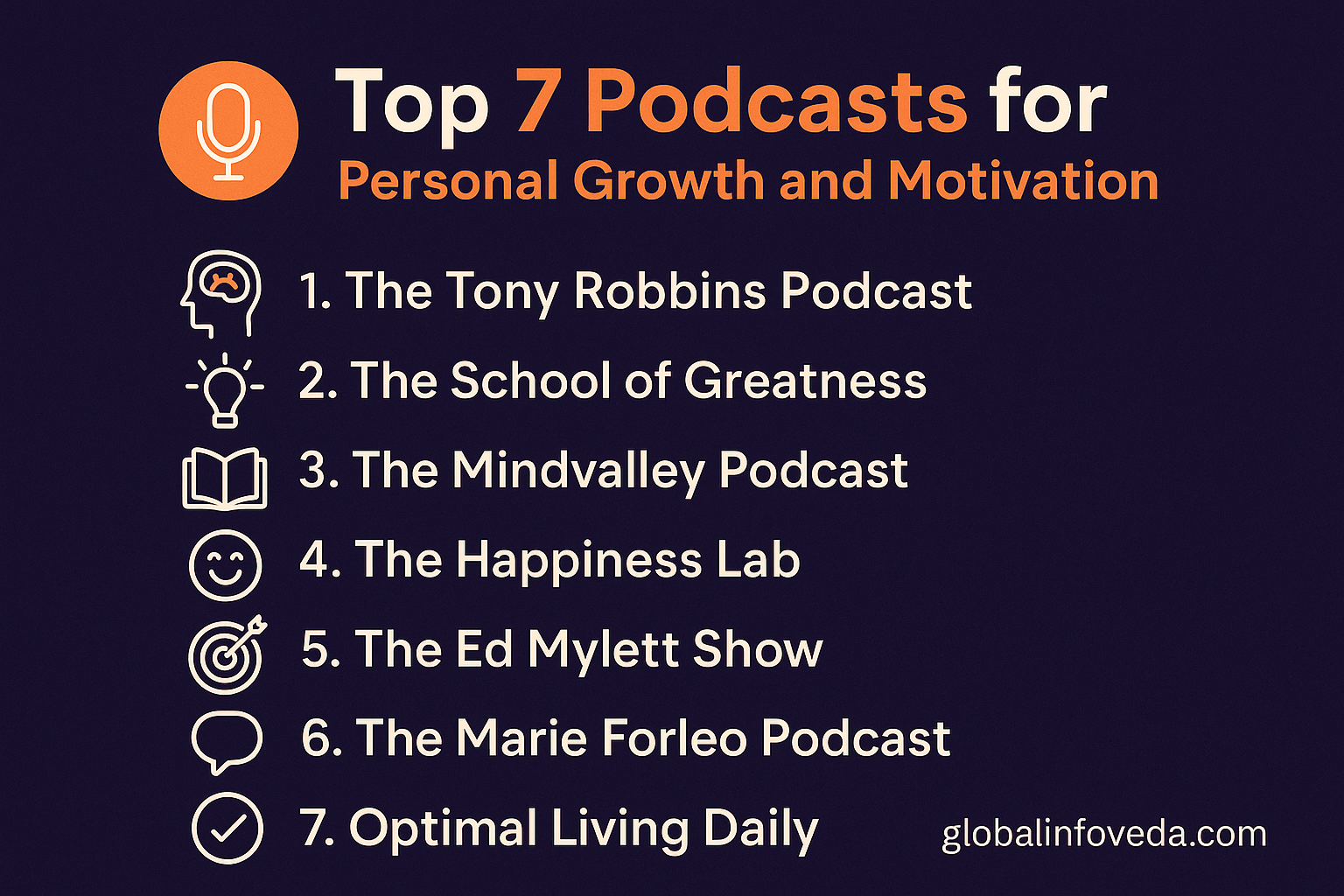
Top 7 Podcasts for Personal Growth and Motivation
🧑🤝🧑 Social‑media readiness
- 🎂 Wait for minimum age and local rules; lying about age starts habits on the wrong foot.
- 🧭 Start private; approve followers you actually know.
- 📋 Write three rules together: what to post, what never to share, and how to handle DMs.
- 🧠 Practice pausing: drafts over instant posts; re‑read before sharing.
- 🧵 Curate feeds: follow accounts that teach or inspire skills, not insecurity.
- 🛟 Exit plan: have a phrase to text when a situation feels bad: “I need a reset—call me.”
🧠 Digital well‑being habits
For most families the route is to alter the environment first. Establish a “moving” bench of chargers, transition the kids’ lights to warm after sunset, eat as many meals together as possible and protect your “outdoor time.” Then put in place skills: training attention, naming cravings, and substituting quick hits of pleasure with other, more meaningful (or at least, less destructive) sources of satisfaction. Deploy small, repeatable behaviors: the phone-on-the-hook hook at dinner, the playlist that signals it’s homework time, the shared calendar for clubs and sports work. Habits form when they’re obvious, easy, and satisfying.
Digital Burnout for Parents: Why Managing Kids’ Screen Time Now Requires Self‑Care
🎮 Co‑play and co‑viewing
- 🕹️ Play together for 30 minutes weekly; you’ll see the mechanics and the appeal.
- 🎥 Co‑view a series; pause to talk about choices and consequences.
- 🧭 Ask open questions: “What was the goal? Where did it get tricky?”
- 🧰 Spot skills: strategy, teamwork, or creativity—name what you saw.
- 🧵 Bridge offline: re‑create something from the story out of cardboard.
🏫 Coordinating with school
Schools differ tremendously in device policies, homework portals and club moderation. Treat teachers as allies: Ask them what an assignment is supposed to be like — what does it look like when it’s done right, which sites to trust when they use the internet, and how long before a “late notice” gets posted. Discuss with your family the way everyone uses phones, and sleep if you must; ask for workarounds if an app does not jibe with your lifestyle. If online occurrences do take place, document and maintain only the facts —schools tend to move more quickly when the evidence is apparent and your asks are direct.
Smart Parenting with Smart Apps: 2025’s Digital Helpers for Millennial Parents
🆘 Safety and crisis playbook
- 🚨 If something scary appears: close the app, breathe, and tell a trusted adult.
- 🧾 Document: take screenshots, note time, usernames, and links.
- 🧱 Block and report within the app; escalate to the platform if needed.
- 🏫 Inform school when peers are involved; keep a simple timeline.
- 👮 Consider law enforcement for threats, extortion, or persistent harassment.
- 🧠 Watch mental‑health signals: sleep change, grades drop, withdrawal—request help early.
❓ FAQs for busy parents
- How much time is okay? Focus on quality, context, and sleep protection rather than only minutes.
- What if my child says ‘everyone else has it’? Compare values, not neighbours; you can be the exception.
- Do parental controls solve it? They help structure time and content; coaching still matters.
- What if we disagree with another parent? Share your family media plan calmly; you don’t need to convert anyone.
- How do I know a game/community is safe? Read rules, check moderation, and try it with your child first.
🗓️ A 30‑day action plan
Week 1: Map values and write one‑page family media plan. Move chargers. Silence non‑essential notifications. Pick two phone‑free zones. Week 2: Audit apps and communities; get rid of junk, set age ratings, and downtime. Begin one co‑play or co‑view ritual. Week 3: Teach searching and evaluating sources; undertake a photo/video project that concludes offline. Week 4: Practice scripting for the tough times; do a crisis drill (screenshot, block, report); go over what worked, and change one rule. Light and steady, light and steady.
Parenting Like It’s 1999: The Retro Revival of Screen‑Free Play & Board Games
🧘 Parent stamina and self‑care
Kids copy energy, not speeches. Protect your rest, time, and relationships so you can parent with overflow, not exhaustion. Speak its name if you have a habit (or a good one, too) that has nothing to do with them and let the re-rack begin with your environment as well as theirs. Seek help — whether from your partner, family, friends or a therapist — before you burn out. The aim is not perfect, but presence, fairness and the willingness to repair.
Emotional Intelligence Over Academics: Parenting Focuses on Feelings First
🛌 Sleep and body clocks
Good digital habits so often begin with sleep, which governs mood, motivation, impulse control and the ability to pay attention. Treat sleep as an environment to create, not a rule to enforce: low light an hour before bed, warm colour temperature on lamps, bed-time rituals and a tech parking spot outside the bedroom. Eliminate late‑night “just one more” loops by moving stimulating activities (competitive games, cliff‑hanger shows) to earlier in the evening and finishing with low‑arousal choices (drawing, gentle reading). Educate teens about how circadian biology functions — melatonin comes with darkness; bright screens and intense social interaction push it back. Frame bedtime as protecting tomorrow’s self — energy for practice, patience with siblings and a clearer head for school. “If weekends push late, dial it back in 15‑minute increments throughout the week. Most families find that once sleep is under control, screen fights decrease as kids have that extra bandwidth to deal with their own urges.
🎯 Gaming guardrails
- 🎮 Know the loop: ask what the goal is, how rewards work, and where “save points” appear.
- 🕒 Time boxes: prefer sessions with a clear end (matches, levels) over endless grinds.
- 🧭 Pre‑commit: agree to start/stop times before launching; set a visible timer.
- 🧍 Body breaks: every 45–60 minutes, stand, stretch, drink water; reset posture and eyes.
- 👥 Social cues: teach kids to mute, block, and report; practice phrases for trash talk.
- 🧩 Co‑op first: favour co‑operative or creative modes where teamwork beats rank chasing.
- 🎯 Earnings policy: tie extra sessions to effort (chores done, homework checked) not to mood.
- 📒 Log wins: track what was learned—strategy, patience, leadership—to shift the narrative.
🛡️ Privacy and reputation
Your online identity is the sum of what you post. Teach kids to think of sharing much as you might imagine leaving footprints on wet cement: Some marks fade, while others harden. Pass it through three filters before publishing — audience (who is going to hear or see this now), durability (how long will it be around), and context (could it be taken out of context later). To scrub metadata if they can, to avoid posting in school uniform or near home address markers and to keep location settings off by default. When people screw up — and they will — repair the model, not the panic: delete what you can, apologize to the person they posted, and see if you can find the trigger for the share. Teens are particularly well served by learning to delay posting: draft now, review later when you have (hopefully!) cooled down. Tell them to remember that platforms thrive on outrage and velocity; your family can thrive on clarity and care.
👵🏽 Caregiver and grandparents alignment
- 🧭 One page: print a simple plan (bedtime, phones, games) for babysitters and elders.
- 🍲 Ritual swaps: trade screen time for shared tasks—cooking, gardening, card games.
- 💬 No shaming: agree on neutral scripts when rules slip; avoid public corrections.
- 🧑🏫 Teach features: show how to mute, block, timer, and downtime on devices at home.
- 🎁 Gift policy: ask family to give books, kits, experiences instead of surprise devices.
- 🧵 Story bridge: encourage elders to share childhood games; kids then recreate them offline.
- 🕊️ Reset button: if a visit goes off‑plan, call a quick walk or snack break instead of arguments.
🧑⚕️ When to ask for professional help
Getting outside support when good habits persistently fail to translate into patterns is wise, not weak. Red flags, she said, include “a sustained collapse in sleep, the Friends Rejection Posture, a refusal to go to school, sudden secrecy around devices, and drastic mood swings attached to online events.” Begin by navigating potential medical contributors (sleep apnea, vision strain, headaches) with your child’s pediatrician. Then school counsellors can work with teachers and propose accommodations that limit digital flashpoints throughout the day. Should anxiety, depression, self‑harm talk or bullying continue, find a licensed mental‑health professional who knows how to deal with digital environments. Come armed with screenshots and a timeline instead of sweeping grievances; specific examples make interventions quicker and gentler. And, above all, your child needs to know that help is about making life easier, not about punishment.
🏠 Home setup for focused learning
- 🧑💻 Work zones: a shared table for homework; private rooms for reading or art.
- 🔕 Notification rules: Do Not Disturb during study; whitelist only school apps.
- 📚 Analog allies: keep paper, pens, sticky notes nearby to break all‑screen flow.
- ⏳ Pacing cues: use a Pomodoro or wall clock; end each block by writing one takeaway.
- 🧭 Visible calendars: map exams, projects, and club days; reduce last‑minute chaos.
- 🧴 Friction set‑up: log out of distracting apps on study devices; remove quick shortcuts.
- 🧹 End‑of‑day reset: tidy the desk, charge devices outside rooms, lay out tomorrow’s kit.
- 🪴 Environment: light behind the screen, comfy chair, water within reach; small changes compound.
🧠 Final insights
Progress looks like fewer power struggles, gentler transitions, better sleep, and a home that values curiosity and kindness more than endless scrolling. Develop culture first, then spaces, then schedules, then skills. Do expect some messes; clean up promptly; continue modeling what you would like to see. Hold the line on sleep, attention and respect — and screens in their place — and kids will learn what every generation has to learn in order to understand the world they inherit: how to treat themselves well and how to treat others with respect.
👉 Explore more insights at GlobalInfoVeda.com